Chinese Cuisine and Asian Cuisine Course | Department and Curriculum Introduction | Osaka's Cooking, Confectionery, and Pastry Chef College

Chinese and Asian cuisine course

Chinese Cuisine/Asian Course - Learn a wide range of ethnic and Asian cuisines, including Chinese cuisine, which boasts a 4,000-year history, as well as Korean, Thai, Vietnamese, and other cuisines.

  • Learning Flow
  • Learn the basic techniques

Learning Flow

Department of Advanced Chef (2 years)

1st year first semester
[Learn the basics]
  • How to sharpen and cut with knives and their names
  • Types of cooking utensils and how to use them
  • Stir-fried cooking process
  • How to wrap buns and dumplings
  • Basic Cooking Method
1st year second semester
[Learn application]
  • Learn basic seasoning methods: general seasonings, special seasonings, spices, etc.
  • Learn about the four major cuisines: Shanghai, Guangdong, Sichuan and Beijing cuisine
  • Knowledge of materials and how to use special materials
  • How to make soup / Types of soup and how to use them
  • About Dim Sum / Learning Dim Sum Cooking Techniques
2年次 全体
[Choose the course you want and develop a deeper understanding and applied skills]

Based on the basics learned in the first year, students will develop expertise and application skills. They will acquire practical skills through many practical training sessions so that they can respond to the seasons, ingredients, and customer preferences.

2年次 卒業料理
[Cooking professional-quality food]

As a culmination of what you have learned over the two years, including knowledge, techniques, hospitality and originality, you will create dishes that will delight your customers.
Department of Chef (1 year)

1st year first semester
[Learn the basics]
  • How to sharpen and cut with knives and their names
  • Types of cooking utensils and how to use them
  • Stir-fried cooking process
  • How to wrap buns and dumplings
  • Basic Cooking Method
1st year second semester
[Learn application]
  • Learn basic seasoning techniques: special seasonings, spices, etc.
  • Learn about the four major cuisines: Shanghai, Guangdong, Sichuan and Beijing cuisine
  • Knowledge of materials and how to use special materials
  • How to make soup / Types of soup and how to use them
  • About Dim Sum / Learning Dim Sum Cooking Techniques
Graduation cuisine
[Cooking professional-quality food]

As a culmination of what you have learned over the two years, including knowledge, techniques, hospitality and originality, you will create dishes that will delight your customers.

Learn the basic techniques

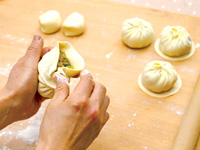
写真:包み方(猪肉包子)

How to wrap (boar meat bao)

Meat buns, filled with plenty of ingredients, are a familiar dim sum dish. The trick to making them well is to lift the dough as you wrap it. The way you wrap it can dramatically improve the flavor.
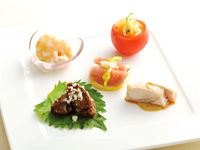
写真:拼盤(ピンパン)

Pinpan (pinpan)

This appetizer features a variety of cold dishes on one plate, including steamed chicken, smoked salmon, sweet and sour jellyfish, Cantonese roast pork, and prawns with spring onion flavor. The beautiful cuts are the highlight of the dish.
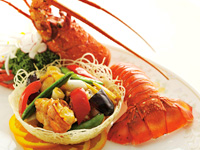
写真:宮保龍蝦(コンパオロンシャー)

Kung Pao Dragon Shrimp

This stir-fried lobster dish is accented with the flavor and aroma of chili peppers. It is presented in a luxurious way, decorated with potatoes cut into strips, fried in a basket shape, and lobster heads.
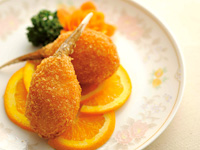
写真:百花蟹剪(パイホアシェージェン)

Flower Crab Cutting

A fried food representative of Chinese cuisine. "Hyakka" refers to shrimp paste and "Kani Jian" refers to crab claws. The shelled crab claws are wrapped in shrimp paste, coated with breadcrumbs and fried.



Top of page